Can you supply the fans across the whole solvent-extraction flowsheet, or only one duty?
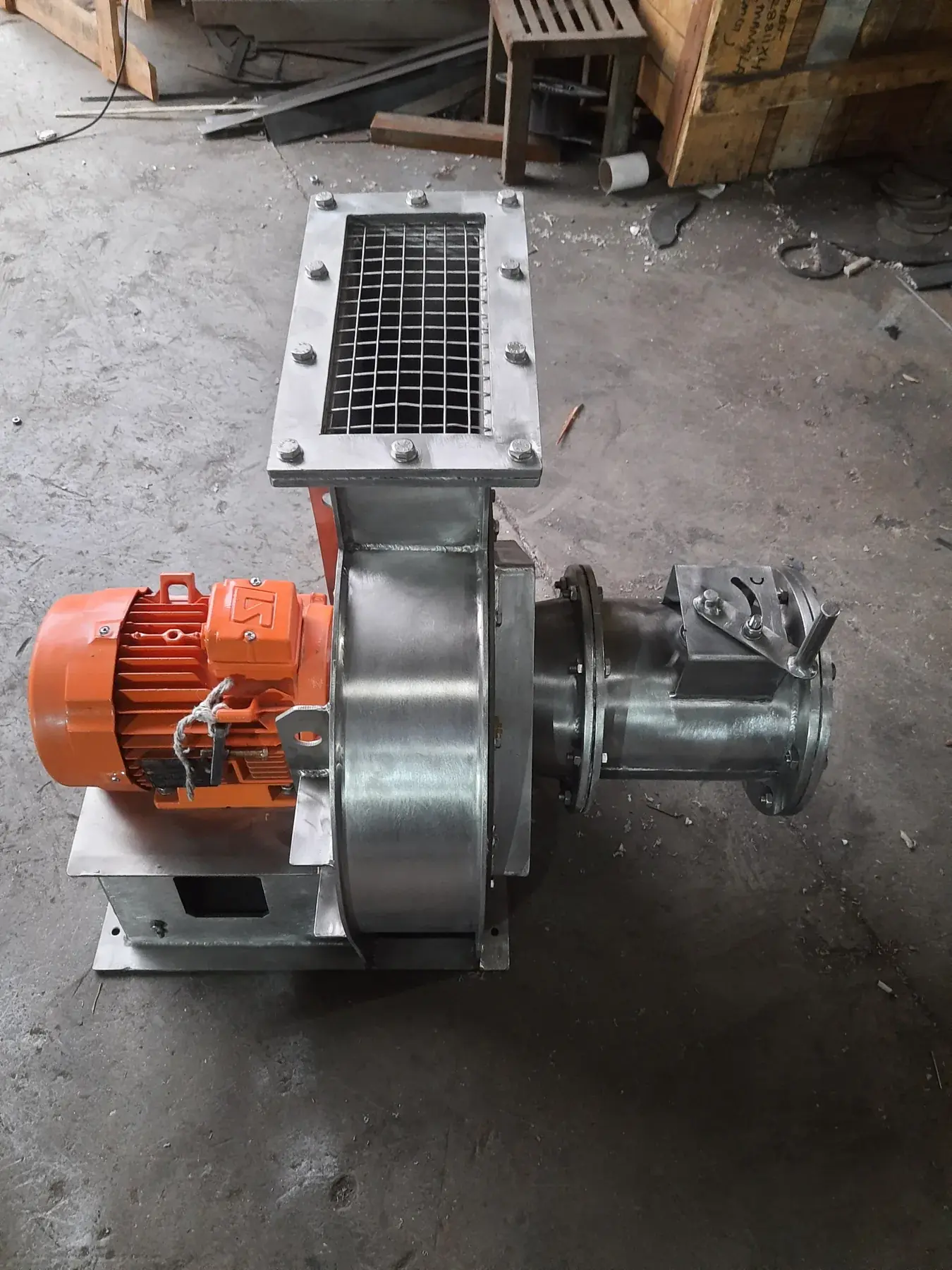
Across the whole flowsheet. We have delivered 74 edible-oil & solvent-extraction fans spanning flammable hexane-vapour exhaust and vent recovery, desolventiser-toaster and mineral-oil scrubber vents, meal-dryer drying air, dilute-phase conveying of flake and meal, dirty-side meal-dust extraction and bag-filter draught, and process-area dilution ventilation. Each fan is engineered to its own gas, temperature, moisture and ignition classification — the flammable hexane exhaust and the sticky DT vent are different machines — but they come from one partner, on one engineering convention across the plant.
Our extractor area is ATEX-classified for hexane. Is your fan built so it cannot be the ignition source?
Yes, within our self-declared ATEX Zone 2/22 (Category 3) scope, built to the area classification you give us. On the flammable hexane circuit we supply spark-resistant construction to the relevant standard: non-sparking rubbing components, a bonded and earthed rotor to bleed static charge, generous impeller-to-casing clearance so nothing rubs, and bearing-temperature monitoring so a hot bearing trips before it can ignite the vapour. The fan is engineered so it is not the ignition source the whole classification exists to prevent — sized to your zone and gas group, not a generic rating.
The meal dust in our conveying and dedusting lines is combustible. How do you handle Zone 22?
The de-oiled meal dust is fine, abrasive and combustible, so the dust-side circuit is a classified Zone 22 atmosphere. We supply spark-resistant construction with the rotor earthed on that circuit, a rugged radial wheel that sheds the fine dust and resists erosion, wear-resistant leading edges, and bolted-in replaceable wear liners with cleanout doors so meal does not build up. The construction is self-declared per 2014/34/EU (Category 3, Zone 2/22) — built to your dust classification, and paired with your explosion-protection strategy on the ductwork and filter.
Our desolventiser-toaster vent air is warm, moist and sticky. How do you stop fouling and corrosion?
DT and meal-dryer vent air runs about 80 to 150 °C, moist and oil-laden, and it condenses sticky fatty deposits that cake on the wheel and unbalance it while the fatty-acid moisture attacks a mild-steel casing. We choose a wheel geometry and finish so deposits shed rather than key on, fit large cleanout and inspection doors so the wheel washes down in place, insulate the casing to hold the wall above the moisture dew point, and specify 304 or 316L on the wetted surfaces where the condensate calls for it. We size the material and the anti-fouling scope to your vent analysis, not a default.
Can you build a replacement to match our existing extraction fan's duty and footprint?
Yes. We reverse-engineer to the existing duty point (flow, static pressure, gas temperature, density, moisture and dust load), bearing centres, inlet/outlet orientation and foundation bolt pattern so the unit drops onto the existing base and ducting — whether it is a hexane exhaust fan, a DT vent fan, a meal-dryer fan or a meal-dust extraction fan, and carrying the same ATEX classification. Made to your installation, not a nearest-catalogue substitute. Send the old GA, the nameplate, the area classification and a curve if you have one, and we match it.
Do you performance-test the fans, and what about AMCA, CE, ATEX and quality certification?
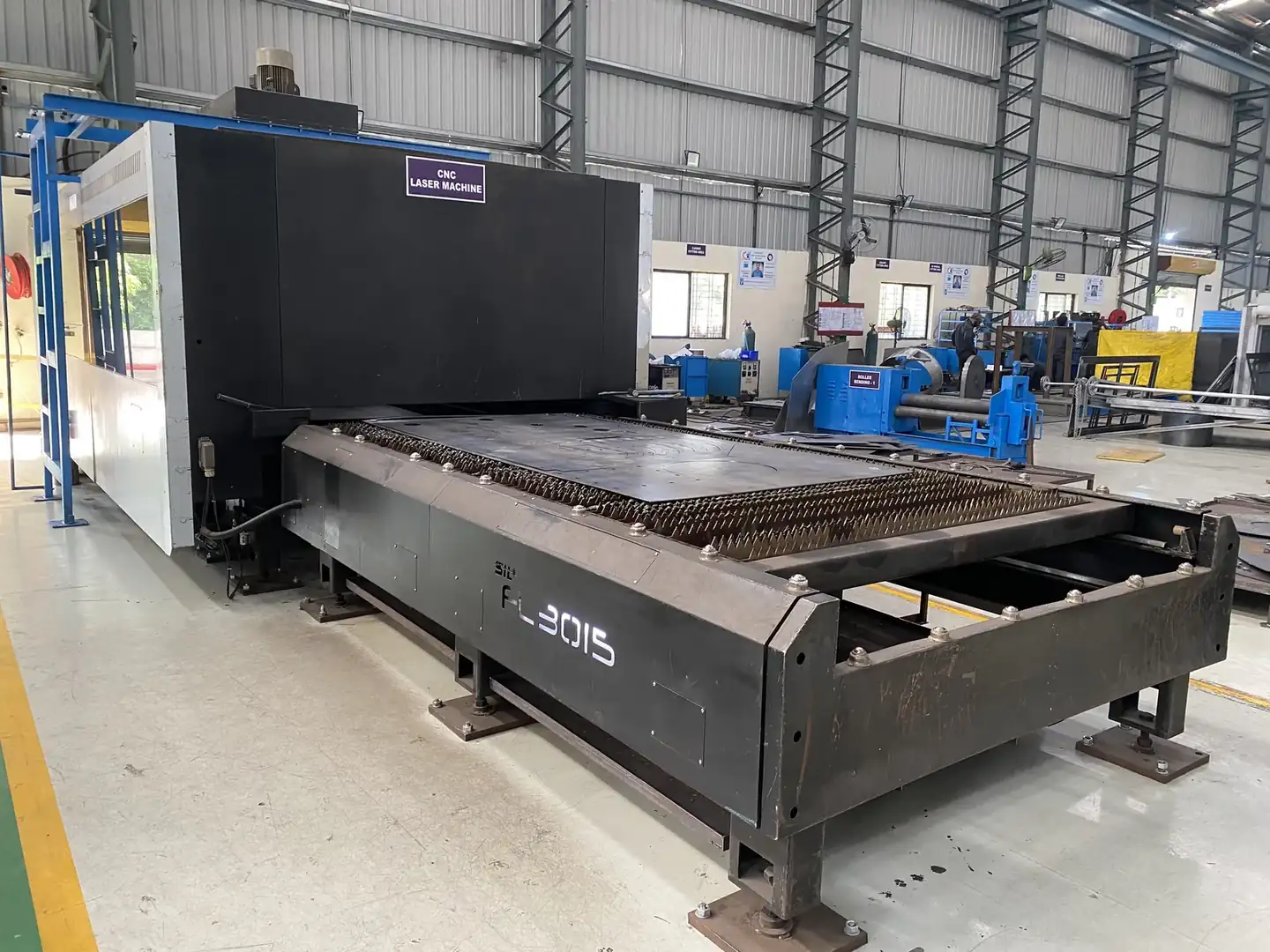
Every fan is performance-tested in-house to the IS 4894 / ISO 5801 / AMCA 210 method on our 200 HP VFD test rig, and dynamically balanced to ISO 21940 G6.3 as standard (G2.5 / G1.0 on application). Fans above the rig's 200 HP are run at derated speed and scaled to the specified duty by the fan laws. To be precise: that in-house testing is to the IS 4894 / ISO 5801 / AMCA 210 method, not AMCA-certified; CE is self-declared per 2006/42/EC and 2014/35/EU, and ATEX Zone 2/22 is self-declared per 2014/34/EU (Category 3) where the hexane or combustible-meal classification calls for it — those are self-declarations of conformity, not third-party certifications. Our only third-party certification is ISO 9001:2015.