Measured energy audits, FEA/CFD/modal studies, selection and compliance reviews, operator training and priority delivery — the engineering brain behind your fans, whoever built them.
839 service events over 12 years.
This is the advisory layer that works on any make of centrifugal fan, not just ours. We measure the true operating point against the design duty, quantify the wasted kilowatts in money, and hand you a payback case for a VFD, retrofit or system fix — using AMCA 203 / ISO 5802 field-test methods with density correction to real site conditions. Because the same engineers who size and build fans read your data, the recommendation is grounded in selection maths, not a pitch to replace hardware — audits often show the fix is a hidden system-effect loss or an oversized fan, where a VFD or duct correction saves more than a new machine.
Beyond audits, the group runs paid FEA/CFD/modal studies that prove a re-rate or blade redesign holds before metal is cut; application and compliance reviews that validate a selection against your real duty and against PCB emissions and noise limits; operator and maintenance training that stops the greasing, vibration and start-up mistakes that kill fans early; and a priority-delivery program for breakdowns. Every study is judged against current methods — ISO 14694 vibration limits, ISO 21940 balance grades, and the API 673 buyer class where modal and stress analysis are demanded.
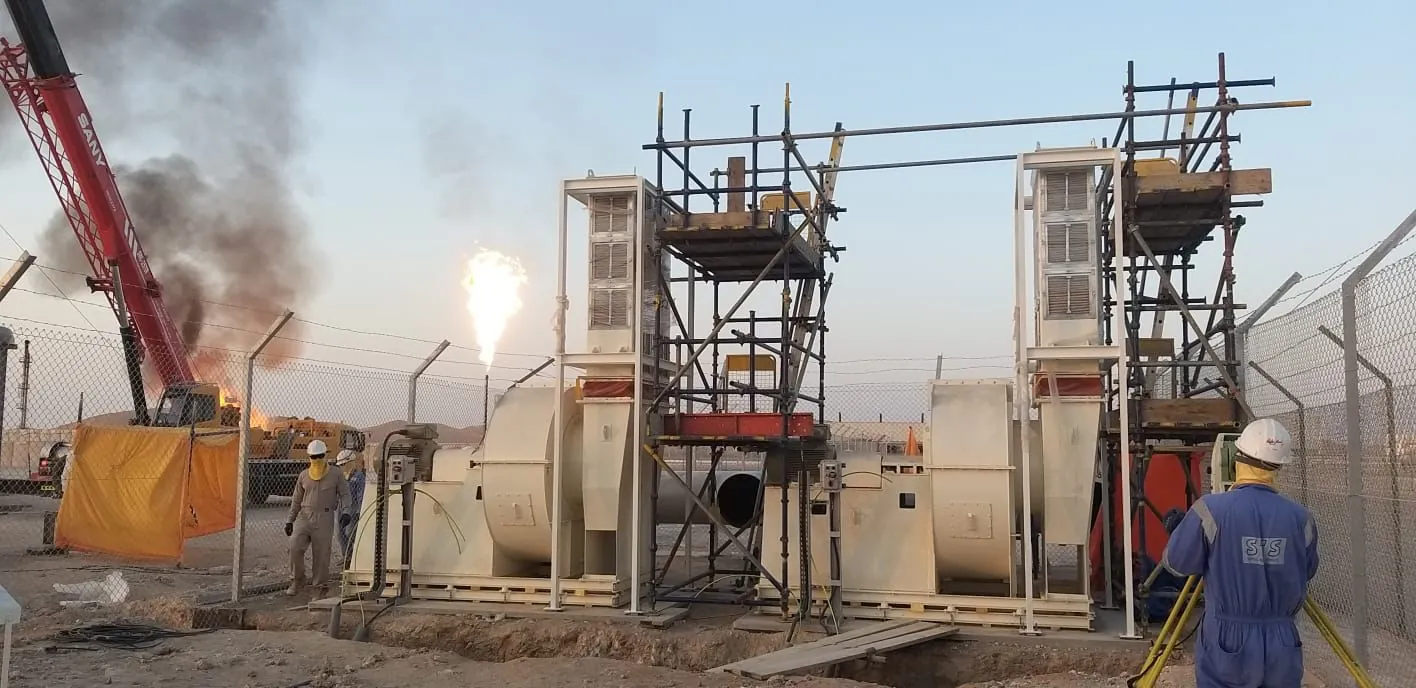
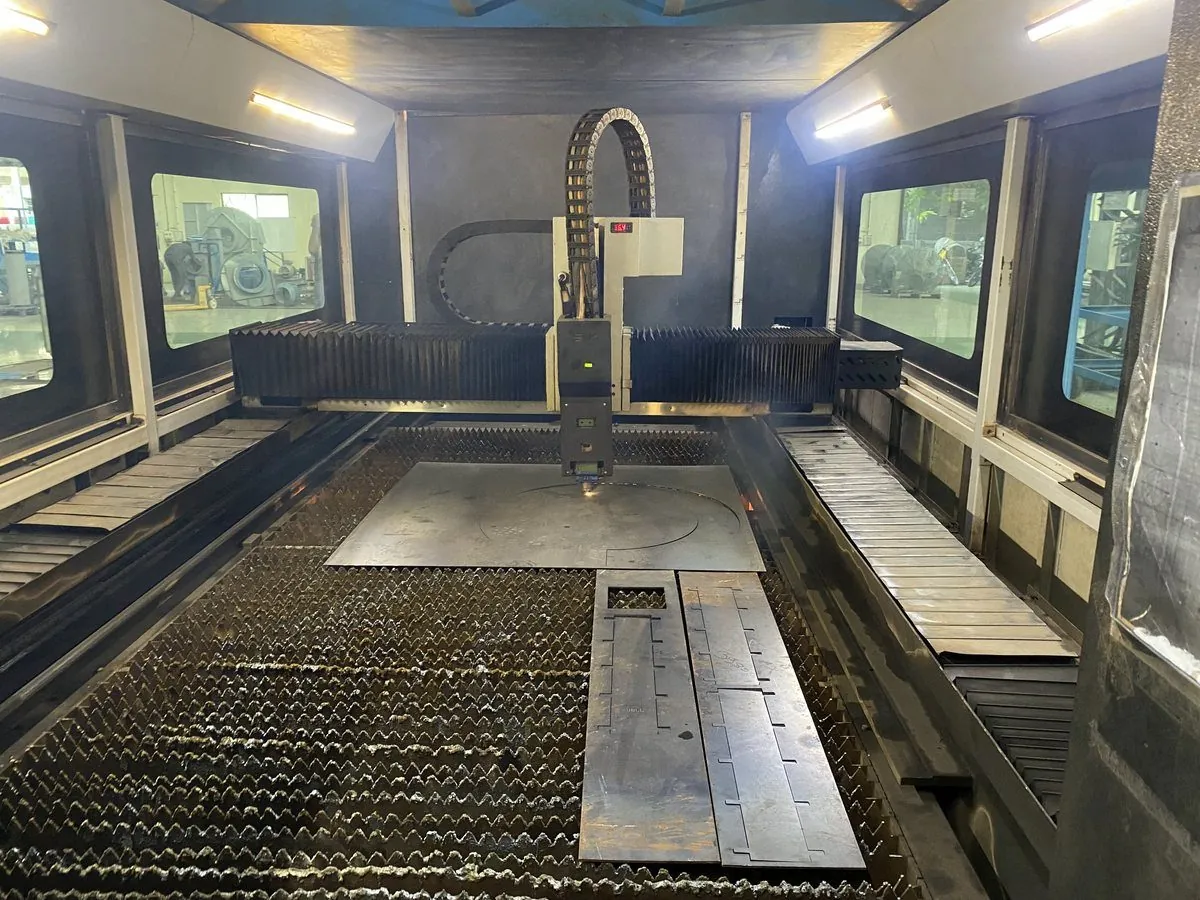
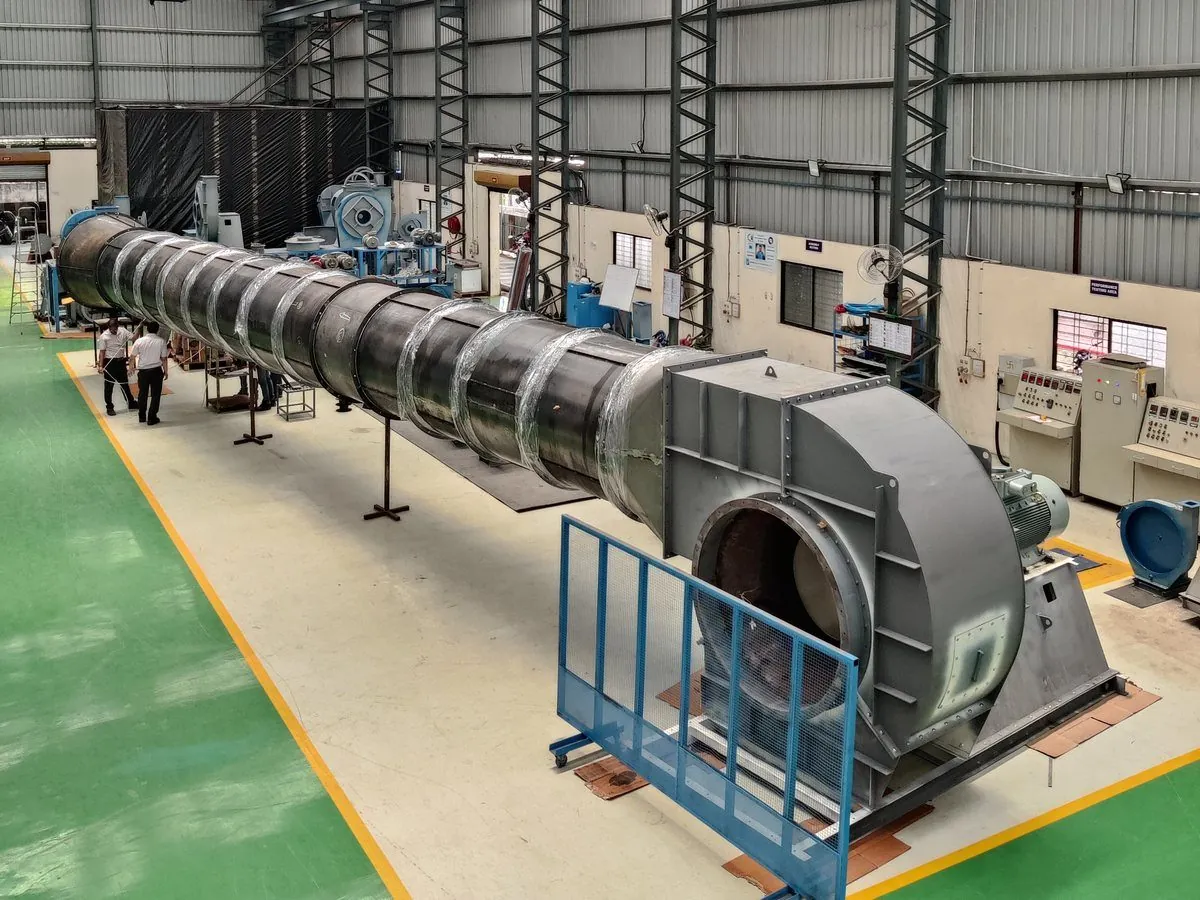
Model impeller and rotor stress-life (FEA), natural frequencies (modal) and inlet/duct airflow (CFD) to prove a re-rate or blade redesign holds before metal is cut — judged against ISO 21940 balance grades and ISO 14694 vibration limits and delivered as a numbers-backed report. Basic impeller FEA runs in-house today; the full CFD/modal menu is a capability we build or partner on, scoped per study.
Standard/method. ISO 21940 (rotor balance grades referenced in rebalance after redesign); ISO 14694 (vibration acceptance limits the modal/CFD work targets, BV-3); API 673 (the buyer class that typically demands modal, stress and run analysis). These are the standards the studies serve; the analysis methods themselves are engineering tools, not certified standards.
Measure actual flow, pressure and power against design duty, locate the true operating point and quantify system-effect losses (inlet elbows, drop boxes) using AMCA 203 / ISO 5802 field methods with density correction to real site conditions. Deliverable is a quantified energy-waste and payback report that builds the business case for a VFD, retrofit or system fix — on any make of fan.
Standard/method. Field performance assessment aligns with AMCA 203 / ISO 5802 field-test methods (vs AMCA 210 / ISO 5801 laboratory methods); system-effect losses per AMCA 201; performance corrected to actual conditions per the fan laws and density-correction practice (FE-1600). Note: AMCA 201 full system-effect-factor tables and ISO 5801/5802 texts are referenced via cross-sources / documented purchase, so quanti
Validate fan selection against the real duty — flow with pressure, temperature, density and dust — adding AMCA 201 system-effect losses and sizing the motor on cold-start BHP, then check the choice against tender spec and PCB emissions/noise limits (fan sound power per ISO 13347). Deliverable is a compliant, reasoned selection you can put to an auditor; it is engineering advice, not a legal opinion or third-party certification. Reviews any make against your duty.
Standard/method. AMCA 201 (system effect factors applied before selection); ISO 5801 / AMCA 210 (the performance basis the selection is judged against); ISO 13347 (fan sound power determination for noise-compliance review). Emissions and noise legislation compliance is reviewed against the customer's applicable Indian PCB consent and tender requirements. The service applies these standards in selection; it does no
Operator and maintenance training in fan fundamentals, lubrication and vibration basics, with certificates.
Standard/method. Training content references ISO 21940 / 1940-1 balance grades (G6.3 general, G2.5 API) and ISO 14694 vibration monitoring practice; lubrication, bearing and start-up practice per Jitamitra's maintenance manual. Certificates are Jitamitra-issued, not third-party accredited.
Move an urgent fan or spare-part order up the production queue and fast-track engineering, procurement and shop time to compress the lead time when a plant is down — including any-make wheels, shafts, bearings and cones. Quality is not waived: rotating parts still ship balanced to ISO 21940. We commit to a prioritised best-effort date agreed per order, not a penalty-backed guarantee.
Standard/method. No specific test or product standard governs the logistics service itself. Any fan or part delivered still meets its normal build and balance standards (ISO 21940 for balanced rotating parts; the fan's own performance and documentation standards). Expediting does not waive quality - engineered to duty, delivered faster.
System-effect and ductwork calls solved by engineering, not parts.
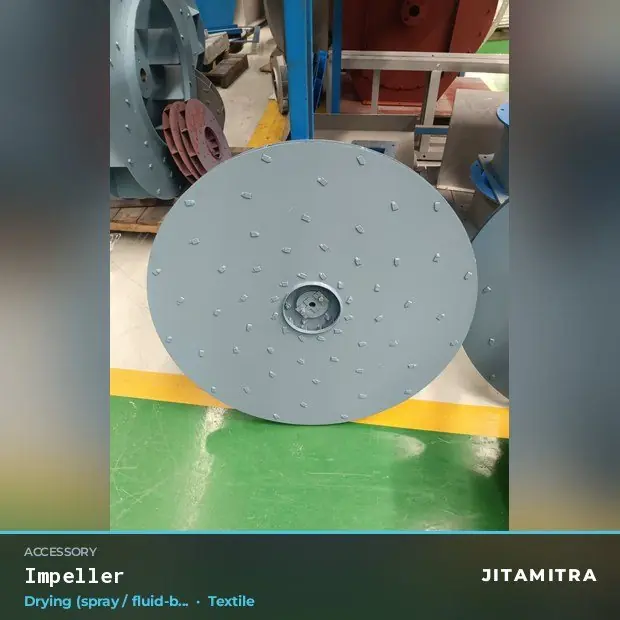


Surveys, measurement and efficiency work are done on your site. This is where our engineers attend, in the three tiers we work to.
Belts our service engineers are in routinely. Site attendance here is ordinary work, planned around your shutdown.
Thane · Bhiwandi · Navi Mumbai · Taloja · Pune · Chakan · Pimpri · Ranjangaon · Silvassa · Vapi · Nashik · Satara · Ahilyanagar · Surat · Hazira · Chhatrapati Sambhajinagar · Bharuch · Ankleshwar · Dahej · Kolhapur · Sangli · Bhavnagar · Jalgaon · Solapur · Vadodara · Belagavi · Rajkot · Goa · Ahmedabad · Sanand · Morbi · Hubballi · Dharwad · Jamnagar
Centres we travel to for site work. We schedule the visit with you rather than promising an engineer the same week.
Mehsana · Indore · Pithampur · Ratlam · Gandhidham · Mundra · Dewas · Udaipur · Hyderabad · Bhopal · Nagpur · Mangaluru · Bhilwara · Kota · Ajmer · Bengaluru · Jabalpur · Hosur · Jaipur · Raipur · Bhilai · Gwalior · Malanpur · Coimbatore
We attend on request. Tell us the machine and the window, and we come back with a dated plan before anyone travels.
Chennai · Sriperumbudur · Agra · Neemrana · Bhiwadi · Visakhapatnam · Kanpur · Gurugram · Manesar · Faridabad · Delhi · Noida · Madurai · Rourkela · Ludhiana · Jamshedpur
Breakdown response and what to have ready · Aftermarket & repair — any make · Talk to the desk
Flow, static, gas temperature, application — or attach a spec, GA drawing or a multi-fan schedule. Engineer to engineer.
ISO 9001:2015 quality system · performance-tested to IS 4894 / ISO 5801 / AMCA 210 method · witnessed FAT on request.
*For our standard range. ATEX and special projects need 5 to 7 working days.
Free field guides from our service engineers — for fans of any make.
This site sets no cookies of its own. Google Analytics loads only if you accept. It sets two cookies, so we can see which fan topics people actually read. Decline and no analytics loads — the site works exactly the same. What we collect →